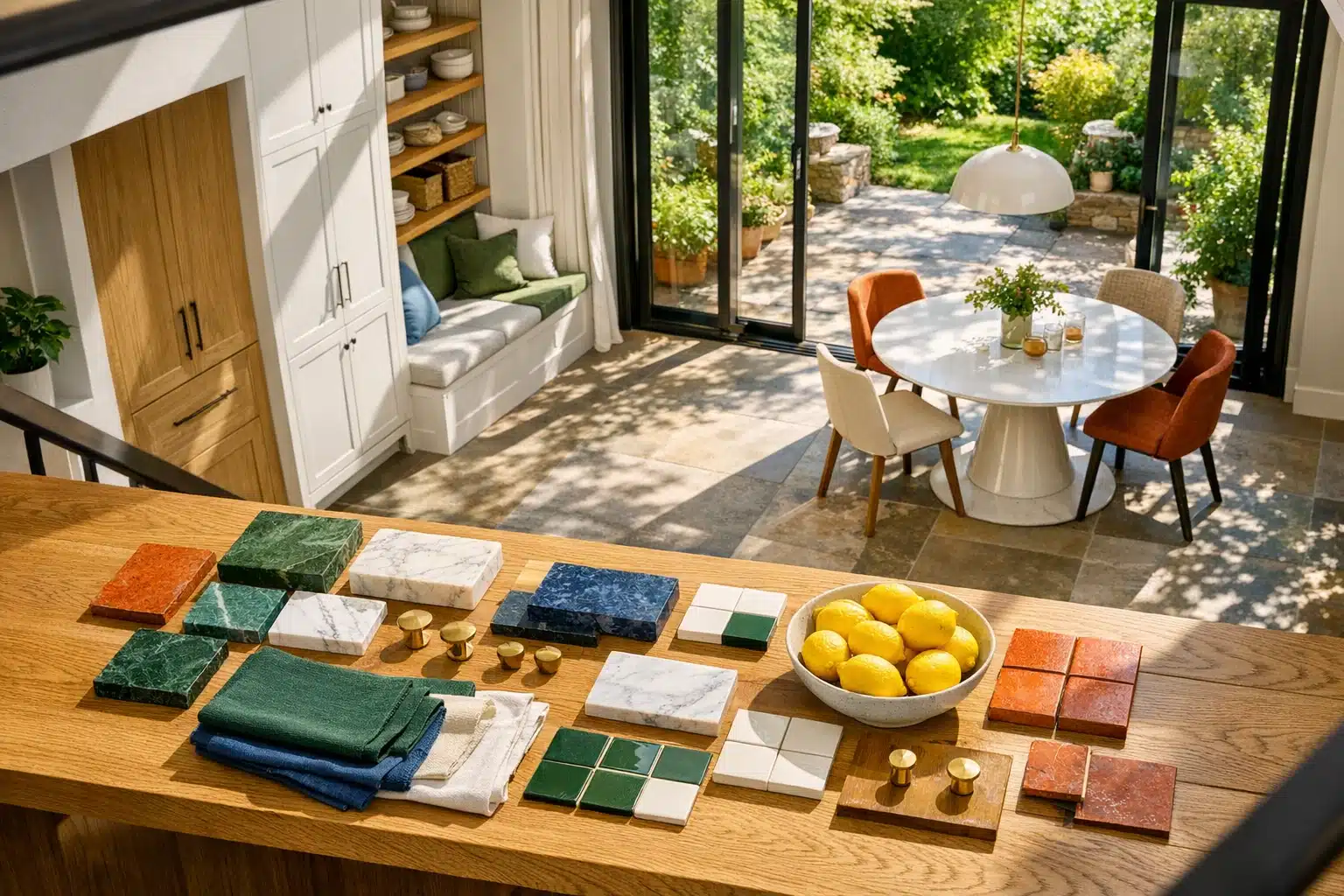
 Artificially generated image
 home renovation
A well-planned renovation can change the way a house feels, functions, and ages over time. Smart upgrades improve comfort, storage, energy performance, and resale appeal without requiring every surface to be replaced. The challenge is knowing where to begin, what to spend, and which changes truly earn their keep. This article turns a complex process into clear steps, from budgeting to design choices. If your rooms feel tired or cramped, the next sections will help you rethink them with purpose.
Outline:
- How to define goals, scope, budget, and timing before work begins
- When to hire professionals and how to compare bids, contracts, and schedules
- Ways to shape design choices so rooms feel cohesive, useful, and durable
- Strategies for improving compact areas with smarter layouts and storage
- How to evaluate firms, control quality, and finish a project with confidence
1. Start with planning, priorities, and realistic numbers
The earliest stage of any renovation is not demolition; it is decision-making. Before samples, paint chips, or floor plans appear on a dining table, homeowners need to define what problem they are trying to solve. Some projects are driven by maintenance, such as a leaking roof, drafty windows, or aging plumbing. Others are driven by lifestyle, such as needing a better kitchen workflow, a dedicated office, or more accessible bathrooms for aging in place. The most successful projects begin when those needs are separated from wish-list extras. That distinction helps protect the budget when costs rise, as they often do once walls are opened and hidden conditions appear.
A practical planning framework usually starts with three questions: what must change, what would be nice to change, and what can wait. This is where many homeowners gather inspiration and collect home renovation ideas, but inspiration needs structure. A saved image of a bright open kitchen is useful only if it fits the home’s footprint, local codes, and daily habits. A family that cooks often may need better ventilation, durable counters, and more task lighting, while a household with young children may care more about storage, washable finishes, and traffic flow. Vision matters, yet function should lead it.
Budgeting deserves the same honesty. Renovation spending can vary dramatically by region, labor market, material grade, and the age of the house. Older properties often cost more to update because electrical systems, insulation, or structural elements may need correction before cosmetic work begins. Many professionals recommend keeping a contingency fund of about 10 to 20 percent for surprises. That reserve is not pessimism; it is a shield against panic decisions.
At this stage, it helps to list the main cost drivers:
- Labor for carpentry, electrical, plumbing, and finishing trades
- Materials such as cabinetry, flooring, tile, fixtures, and appliances
- Permits, inspections, and possible design fees
- Temporary living or storage costs if the work affects core rooms
Timing is equally important. A bathroom update may take weeks, while a whole-house project can stretch for months depending on approvals and product lead times. Think of planning as building the map before starting the road trip. It does not remove every detour, but it prevents the journey from becoming aimless and expensive.
2. Choose the right professionals and set the rules early
Once the project scope is clear, the next major decision is whether the work should be done by the homeowner, by individual trades, or by a general professional who oversees the process. Cosmetic tasks such as painting, installing shelves, or replacing cabinet hardware may be realistic for a capable do-it-yourselfer. Structural changes, electrical upgrades, waterproofing, gas lines, and complex plumbing usually demand qualified experts. Savings from DIY work can disappear quickly if errors lead to repairs, delays, or failed inspections.
For bigger projects, a dependable home renovation Contractor can bring order to a process that easily turns chaotic. Good professionals do more than schedule workers. They coordinate permits, sequence the trades properly, spot design conflicts before materials are ordered, and keep the site moving when one delay threatens to affect everything else. That coordination becomes especially valuable when several rooms are being updated at the same time, or when the job involves older homes with unpredictable conditions.
Hiring well starts with comparison, not impulse. Ask for detailed written estimates rather than simple totals. Two bids may look similar at first glance but hide meaningful differences in scope. One may include debris removal, finish carpentry, and permit handling, while another leaves those items out. References matter, yet so do current projects. A contractor’s active job site often reveals more than a polished portfolio because it shows cleanliness, organization, and communication habits in real time.
When reviewing candidates, focus on the basics:
- License and insurance status, where required locally
- Clear payment schedule tied to milestones rather than vague dates
- Written description of materials, allowances, and excluded work
- Estimated timeline with realistic buffers for shipping or inspection delays
- Change-order process for additions or revisions
Communication style should not be treated as a soft factor. It is one of the strongest predictors of stress during construction. Homeowners need timely updates, honest answers, and documentation when plans shift. A polite salesperson is not enough; the project team must also be responsive once the contract is signed. Renovation is a practical craft, but it is also a long conversation. The smoother that conversation is, the more likely the finished result will match both expectations and budget.
3. Build a design language that lasts beyond trends
After planning and hiring come the choices most people picture first: finishes, colors, fixtures, layouts, and the mood of each room. This stage can be exciting, but it is also where many projects drift away from their original purpose. A beautiful material that stains easily, a fashionable layout that reduces storage, or a dramatic light fixture that throws poor task lighting can make a fresh room feel frustrating within months. Design works best when it balances visual character with maintenance, comfort, and long-term flexibility.
One of the smartest ways to avoid scattered decisions is to define a guiding home renovation style before shopping in earnest. That does not mean every room must look identical or themed. It means the house should have a recognizable rhythm. For example, a home with warm wood floors, matte black hardware, and simple shaker-style millwork can still allow one room to feel contemporary and another to feel more traditional, as long as the finishes relate to each other. Continuity makes spaces feel intentional, while too many disconnected statements can make even expensive work seem improvised.
Material selection should begin with use, not only appearance. Kitchens and bathrooms need moisture resistance and surfaces that clean easily. Entryways benefit from durable flooring that hides dirt well. Family rooms may call for forgiving fabrics and layered lighting rather than delicate showpieces. In households with children, pets, or frequent guests, durability is not a compromise; it is part of good design. The most admired rooms often succeed quietly because they handle daily wear without looking tired.
Consider these design comparisons when making selections:
- Engineered wood can offer more stability than solid hardwood in areas with humidity swings
- Quartz counters are generally lower maintenance than natural marble
- Large-format tiles can reduce grout lines, but small tiles may offer better slip resistance in wet zones
- Neutral permanent finishes allow color changes later through paint, rugs, and textiles
Lighting deserves special attention because it changes how every other choice is perceived. A room should usually combine ambient, task, and accent lighting rather than rely on one ceiling fixture. Storage should also be designed with real habits in mind. Drawers near cooking zones, outlets where devices are actually charged, and hooks where bags naturally land matter more than decorative symmetry alone. The best renovated interiors have a quiet intelligence: they feel calm on first view and increasingly useful over time.
4. Make compact spaces work harder without feeling crowded
Not every project involves adding square footage or reimagining an entire property. In many households, the real challenge is making limited space perform better. A Small home renovation can be especially rewarding because focused changes often produce noticeable improvements in daily life. In compact homes, every corner carries more responsibility. A hallway may need hidden storage, a kitchen may double as a workspace, and a guest room may become an office most days of the year. Thoughtful updates in these settings are less about grandeur and more about precision.
Layout is the first tool. Removing a poorly placed partition, widening a doorway, or replacing a swinging door with a pocket or sliding option can free movement without increasing the home’s footprint. Built-ins are another powerful strategy because they use wall depth efficiently and reduce the need for bulky freestanding furniture. Banquettes with storage, window seats, tall pantry units, and custom wardrobes can transform awkward gaps into useful zones. Even visual tricks matter. Continuous flooring, lighter wall colors, and consistent trim details can make adjoining areas feel more connected and expansive.
In smaller homes, clutter control is inseparable from design quality. A room with insufficient storage rarely stays attractive for long, no matter how elegant the finishes are. That is why storage planning should happen early rather than after construction. Think about what needs a permanent place: shoes, cleaning supplies, chargers, seasonal coats, linens, toys, and paperwork. A home runs more smoothly when these items do not drift across surfaces like a slow-moving tide.
High-impact improvements for tight spaces often include:
- Floor-to-ceiling cabinetry to use vertical space efficiently
- Multi-use furniture such as beds with drawers or expandable tables
- Mirrors and layered lighting to reduce visual heaviness
- Open shelving used selectively, not as a substitute for hidden storage
- Upgraded insulation and windows to improve comfort without enlarging rooms
Budget-conscious homeowners should also note that smaller projects can still justify quality materials in key areas because the total quantity is lower. A compact bath may accommodate better tile or hardware without overwhelming the budget. Likewise, repainting, changing lighting, and refining storage can deliver meaningful transformation without major structural work. In a well-edited small home, nothing feels accidental. The best spaces often resemble a short, sharp poem: concise, useful, and memorable because every element earns its place.
5. Compare firms carefully and finish with a homeowner’s long view
As a project nears the decision stage, many people focus heavily on price and not enough on process. Yet the cheapest path is not automatically the most economical. When reviewing home renovation companies, homeowners should look at how each firm handles planning, documentation, supervision, and post-project support. A company that offers transparent schedules, realistic allowances, clear warranty terms, and consistent site management may provide better value than a lower bid built on assumptions. In renovation, unclear scope is often where budgets go to unravel.
It helps to compare firms through a simple matrix instead of relying on memory. Note who prepared the estimate, how complete the proposal feels, whether communication is prompt, and how the company explains delays or substitutions. Some businesses excel at design-forward kitchens but are less experienced with older-home infrastructure. Others may be strong in mechanical upgrades, accessibility work, or phased renovations for families living in the home during construction. Matching the company’s strengths to the project type matters just as much as comparing price.
Before signing, review the final details with care:
- Payment terms should align with defined milestones and completed work
- Allowance amounts should be realistic for the products you expect to choose
- The contract should identify who obtains permits and who schedules inspections
- Cleanup, punch-list items, and warranty procedures should be spelled out
- Any verbal promise worth remembering is worth putting in writing
Near completion, schedule a thorough walkthrough. Test drawers, doors, switches, fixtures, appliances, and ventilation. Ask for manuals, paint colors, product information, and care instructions for finishes. Small adjustments are normal, and a documented punch list helps close the project professionally rather than emotionally. It is also wise to keep records of invoices, permits, and final selections for future maintenance or resale.
For homeowners, the real measure of success is not whether a room looks impressive for a week. It is whether the new layout reduces friction, whether maintenance becomes easier, and whether the home supports the life happening inside it. A strong renovation creates calm where there was inconvenience and confidence where there was uncertainty. If you plan carefully, hire thoughtfully, and choose with discipline, the result can be more than an update. It can be a home that finally fits the way you live.