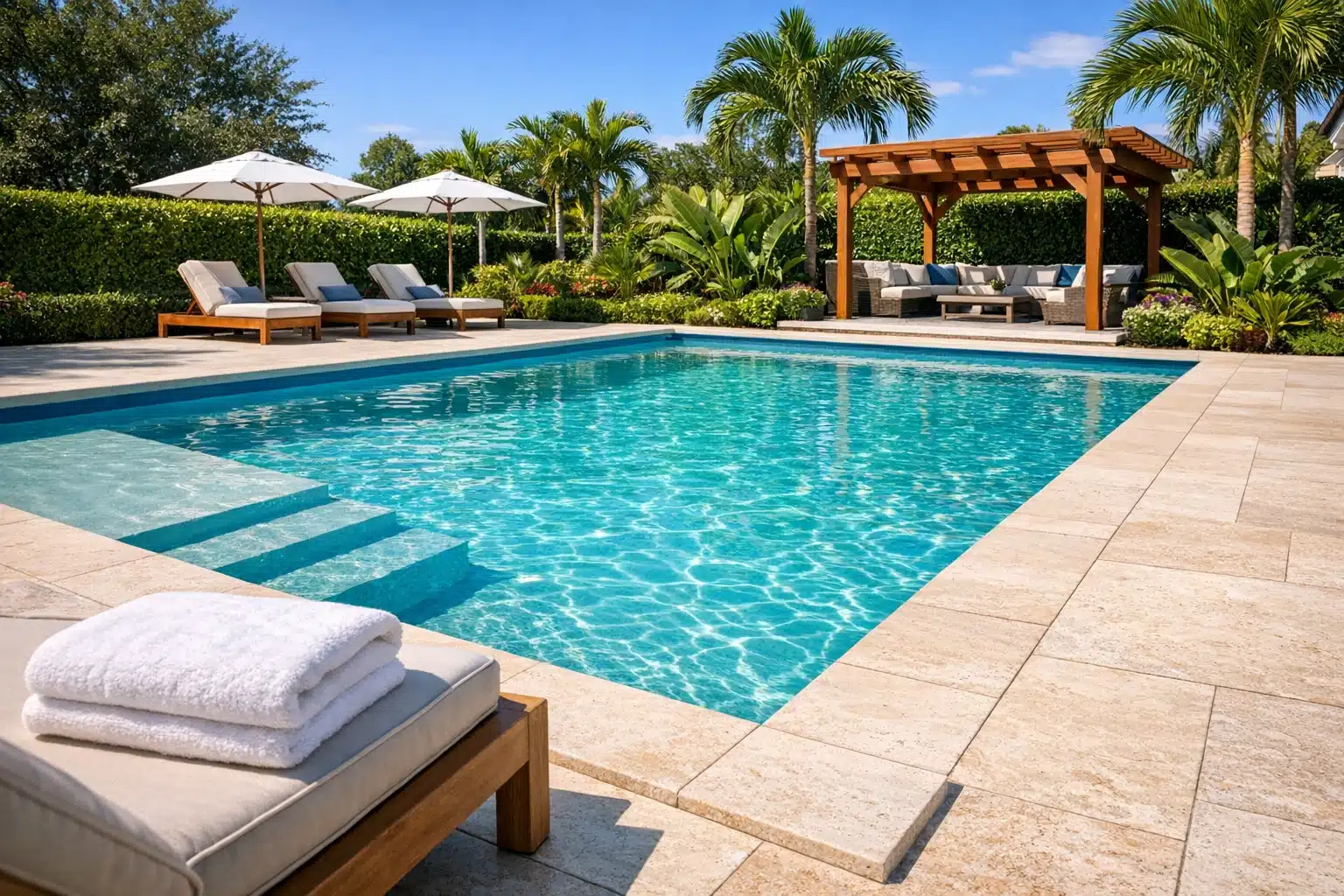
 Artificially generated image
 New Fiberglass Pools
A backyard pool is no longer just a luxury feature; for many households, it is a practical extension of daily living, exercise, and time with family. New Fiberglass Pools have gained attention because they combine quick installation, smooth surfaces, and lower routine upkeep than many traditional builds. Buyers still need clear information on construction, design choices, durability, and budgeting before signing a contract. This guide maps the process from early research to long-term ownership so decisions feel informed rather than rushed.
Outline: What This Guide Covers and Why the Topic Matters
Choosing a pool is one of those decisions that looks simple in a brochure and becomes far more layered once real property conditions, local rules, and long-term costs enter the picture. Fiberglass has moved from a niche option to a mainstream one because many homeowners want a cleaner installation process and a predictable finish. Before you call a Fiberglass Pools company, it helps to understand what determines quality, what affects the budget, and where fiberglass fits best compared with other pool types.
- The structure and factory-built nature of fiberglass shells
- Key differences between fiberglass, concrete, and vinyl-lined pools
- What drives initial cost and long-term ownership expense
- How installation timelines work from planning to water startup
- What to ask contractors about warranties, service, and site access
- Which buyers are the best match for this style of pool
The relevance of this topic goes beyond trend watching. A pool changes drainage, hardscaping, outdoor traffic patterns, and even how a family uses its home across the seasons. In many regions, buyers now want spaces that feel like a private retreat, not just a lawn with furniture. A well-chosen fiberglass pool can support that goal, but only if the shell size fits the yard, the equipment package matches the climate, and the surrounding deck area is planned with the same care as the water itself.
There is also a practical reason for careful research: pool projects are often sold emotionally but judged financially. Homeowners remember how the process felt, whether the contractor communicated clearly, and how much maintenance followed after the first summer excitement wore off. That is why an informed approach matters. A thoughtful buyer looks at installation realities, compares material strengths honestly, and treats the project as part construction, part lifestyle design. The sections that follow aim to do exactly that, offering a grounded look at the benefits, limitations, and planning details that shape a successful fiberglass pool purchase.
How Fiberglass Pools Are Built and Why New Models Stand Out
The biggest difference between fiberglass and many other pool types is that the main shell is manufactured off-site in a controlled environment and then delivered to the property. That factory process matters because it allows consistent shaping, layering, and finishing. Most shells are built with molded composite materials and a smooth gel coat surface. Once the excavation is ready, the shell is lowered into place, leveled, connected to plumbing, and surrounded with backfill and supporting materials. This is one reason so many buyers are drawn to New Fiberglass Pools: the build sequence can be more predictable than projects that rely heavily on on-site forming and finishing.
That said, predictable does not mean identical. Modern fiberglass designs come in a wider range of lengths, depths, tanning ledges, entry steps, benches, and integrated spa configurations than many people expect. Years ago, fiberglass pools were sometimes dismissed as limited in style. Today, manufacturers offer contemporary rectangles, freeform family layouts, compact plunge options, and lap-oriented designs. The shell still has transport limits, so concrete remains more flexible for highly customized shapes, but fiberglass is no longer the plain, one-size-fits-all product some older homeowners remember.
Material comparison helps clarify the decision. Concrete pools are prized for design freedom and can be tailored to unusual lots or luxury visual concepts, yet they usually take longer to build and often require more surface maintenance over time. Vinyl-lined pools may have a lower initial price in some markets, but liners eventually need replacement and can be vulnerable to punctures or wrinkles. Fiberglass sits between these options: less customizable than concrete, often sturdier in day-to-day use than vinyl, and attractive to owners who want a smooth, nonporous interior that tends to discourage algae buildup. That last point matters because reduced algae growth can mean less brushing and fewer chemical adjustments, though it never eliminates maintenance completely.
Another strength of recent models is efficiency. Better shell design, upgraded circulation options, variable-speed pumps, LED lighting, automation systems, and improved insulation around plumbing can make ownership simpler and more energy-conscious. New Fiberglass Pools are also often designed with comfort in mind, blending clean lines with built-in seating that encourages actual use instead of occasional admiration. A pool should feel inviting at sunrise, lively on a summer afternoon, and calm when lights reflect off still water at night. When the engineering and design work together, fiberglass can deliver that balance surprisingly well.
Budgeting Realistically: What Shapes Fiberglass Pools prices
Cost is where excitement meets reality. When homeowners search Fiberglass Pools prices, they often find numbers that describe only the shell or a simplified starter package. In practice, total project cost depends on excavation, soil conditions, crane access, electrical work, permits, decking, fencing, drainage, water features, heaters, automation, landscaping, and regional labor rates. That is why a quote that looks affordable at first glance can climb quickly once the full site plan is included.
In many parts of the United States, a basic installed fiberglass pool project may begin around the mid-five-figure range, while more complete builds with upgraded decking, premium equipment, retaining walls, or outdoor living features can move well beyond that. Some projects exceed six figures, especially on difficult lots or in higher-cost metro areas. The shell is important, but it is rarely the whole budget story. Access restrictions alone can change the economics if a crane must reach over a house or if excavation equipment has limited entry points.
- Pool size and shell design
- Excavation difficulty and groundwater conditions
- Decking material, square footage, and coping choices
- Equipment such as heaters, chillers, covers, lights, and automation
- Safety fencing, inspections, and permit fees
- Landscaping, drainage correction, and retaining walls
Long-term cost also deserves attention. Fiberglass can be attractive because its smooth surface generally requires less brushing than rougher finishes, and many owners report steady chemical use once water balance is dialed in. Concrete, by comparison, may demand more brushing and periodic resurfacing down the line. Vinyl can involve liner replacement cycles. Over a span of years, the most economical option is not always the one with the cheapest starting quote.
A smart budgeting method separates costs into three buckets: required construction, strongly recommended upgrades, and optional lifestyle extras. Required construction includes the excavation, shell placement, plumbing, electrical, and safety compliance. Recommended upgrades might include a heater if the swim season is short or automation for easier control. Optional extras cover items like fire features, elaborate outdoor kitchens, or decorative water walls. Looking at Fiberglass Pools prices this way keeps the decision grounded. Instead of chasing a headline number, homeowners can compare what they are truly getting and judge whether the finished result aligns with both budget and expectations.
Installation Timeline and How to Evaluate a Fiberglass Pools company
One of fiberglass pool ownership’s biggest selling points is speed, but it helps to break that promise into phases. The shell can often be set quickly once the site is prepared, yet the entire project still includes design approval, permits, utility marking, excavation, plumbing, electrical work, inspections, decking, fencing, startup, and final cleanup. Weather can interrupt any stage. A fair expectation is that fiberglass may move faster than many custom concrete projects, but homeowners should still ask for a realistic schedule with milestones rather than a vague guarantee.
Contractor selection matters as much as the shell itself. A reputable Fiberglass Pools company should be able to explain how it handles site preparation, groundwater management, leveling, backfill materials, equipment pad layout, and post-install service. Good contractors also talk plainly about what might cause delays. If every answer sounds effortless, that is not always a sign of competence; sometimes it is a sign that difficult details are being skipped in the sales conversation.
- How many fiberglass installations the company completes each year
- Whether excavation, plumbing, and decking are handled in-house or subcontracted
- What warranties apply to the shell, surface, equipment, and workmanship
- How change orders are priced if site conditions shift during excavation
- Who manages permits, inspections, and utility coordination
- What aftercare or startup support is included once the pool is filled
References and site visits are useful because they reveal the company’s habits, not just its marketing. If possible, ask to see a project that is underway and one that has been finished for a year or more. A tidy active job site suggests organization. A well-aged completed project shows whether deck settling, drainage, or finish issues emerged later. Reviews can help, but detailed conversations with former customers are often more revealing than star ratings alone.
It is also wise to ask for line-item clarity. Some bids include only the essentials, while others fold in startup chemicals, first-season service visits, or electrical trenching. Comparing apples to apples is crucial. The best Fiberglass Pools company is not automatically the lowest bidder or the one with the flashiest showroom. It is usually the team that communicates clearly, documents scope carefully, understands local conditions, and treats the project like a long-term installation rather than a one-day delivery. In a backyard build, steady competence is more valuable than dramatic promises.
Conclusion: Long-Term Value, Maintenance, and Who Should Choose This Type of Pool
For many homeowners, the appeal of New Fiberglass Pools becomes clearest after the installation dust settles. The day-to-day experience is often defined by a smooth interior, approachable maintenance, and a design that feels ready to use rather than endlessly unfinished. That does not make fiberglass the right answer for every property. If a yard requires an unusual shape, highly customized depth transitions, or a dramatically oversized pool, concrete may still be the more suitable route. But for buyers who want a polished, durable, and comparatively efficient option, fiberglass deserves serious attention.
Long-term ownership comes down to habits more than hype. Water chemistry still needs monitoring. Baskets still need cleaning. Equipment still benefits from seasonal checks. Yet many owners appreciate that fiberglass generally avoids some of the rough-surface scrubbing associated with other finishes. The result is not a maintenance-free pool, but often a more manageable one. That distinction matters because realistic expectations lead to better satisfaction than sales language ever will.
The best candidates for fiberglass usually share a few priorities. They value installation speed, want a comfortable surface underfoot, and prefer a straightforward design process over endless custom decisions. They also tend to think in terms of total ownership, not just sticker shock. When reviewing Fiberglass Pools prices, these buyers look beyond the shell and ask whether the proposal includes the deck space, equipment quality, safety features, and drainage work needed for a finished backyard that functions well in everyday life.
If that sounds like your approach, the next step is simple: measure the yard carefully, define how you plan to use the pool, and interview contractors with patience. A family-focused play pool, a compact plunge pool for relaxation, and a fitness-oriented lap design all solve different problems. The right choice is the one that fits your lot, climate, and routines without stretching the project past reason. In that sense, fiberglass is less about trend and more about alignment. When the site conditions are suitable and the contractor is reliable, it can turn a vague backyard wish into a durable space that gets used, enjoyed, and appreciated for years.